
LIMITED TIME!
0% Financing
We’re HIRING! Come join the SquadPro team.
Visit our Blog for clear homeowner insights and practical roofing advice. Our Storm Damage Education Blog helps you spot warning signs fast, document issues, and take smart next steps after severe weather. Use our Roof Repair Guidance Blog to understand repair options and costs, and follow our Roof Replacement Planning Blog for timelines, materials, budgeting tips, and long-term protection strategies for your home.
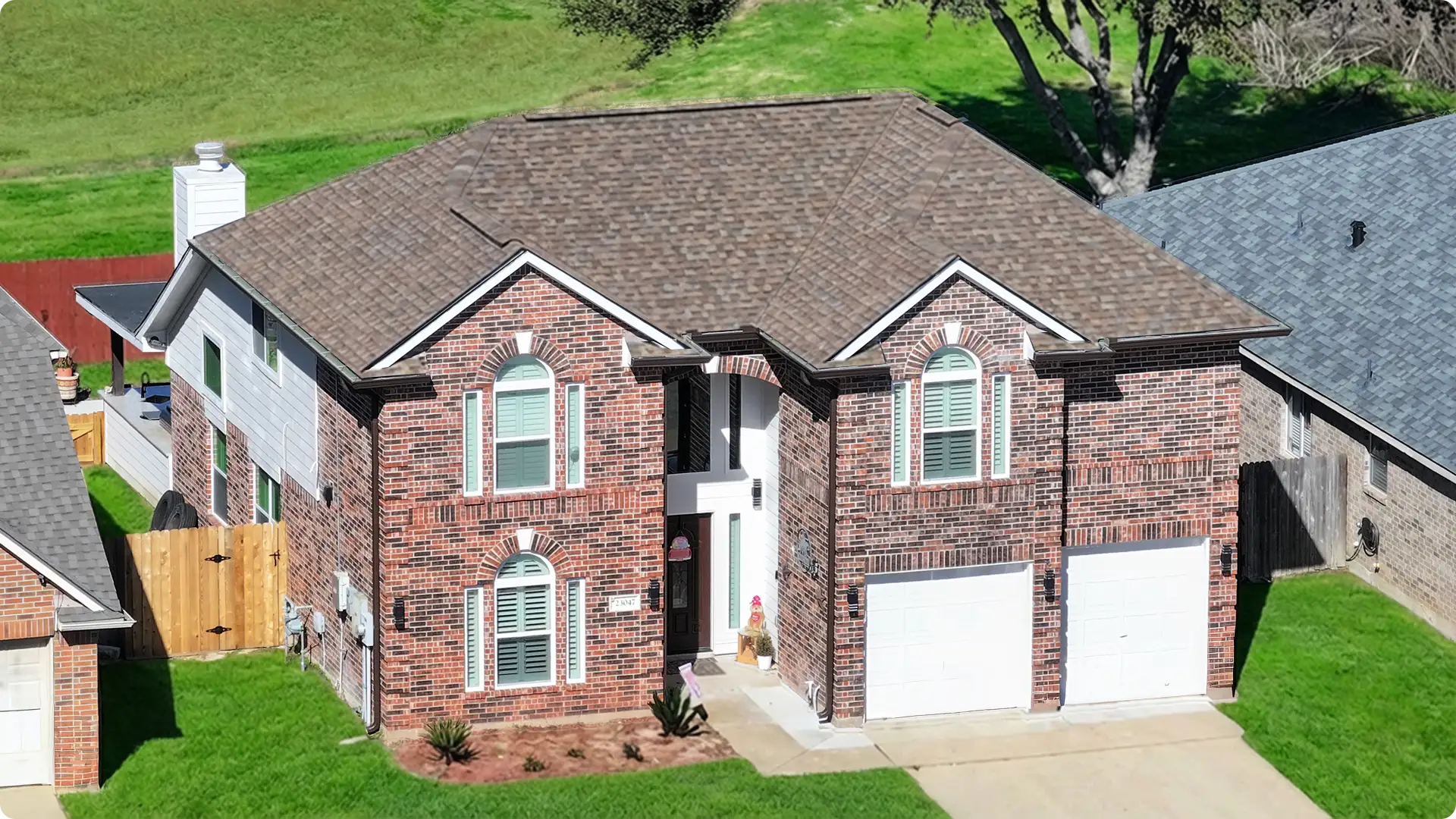



Did you know, SquadPro Roofing only uses Texas code approved materials to help protect your home? We follow Strict Standards for Quality, Safety, and Long-Lasting Performance.
Blog roofing is where homeowners get clear answers without pressure. This page explains how to use roofing blog content to spot early warning signs, plan repairs, and protect your home before small issues become expensive problems. If you are comparing repair vs replacement, the right blog roofing guide can help you ask better questions during an inspection.
A good blog roofing resource uses simple steps. It explains what a roof part does, what failure looks like, and what action to take next. You do not need to memorize roofing terms. You just need clear photos, clear descriptions, and a checklist you can follow.
If you like quick reminders and short tips, you can also follow posts for seasonal maintenance ideas, storm prep notes, and common leak causes. Blog roofing content works best when you pair it with real observations at your home, like stains, shingle loss, or gutter overflow.
If you want a simple place to start, browse our blog and pick one topic that matches what you see at home. Blog roofing works best when you focus on one symptom at a time, such as a drip near a vent, missing shingles after wind, or a dark water line near a ceiling corner.
Step one is observation. Look for the visible sign, then look for the most likely roof area tied to that sign. Step two is documentation. Take clear photos from the ground and note the date and weather. Step three is action. If the sign repeats, schedule an inspection before the next heavy rain.
Blog roofing content should never push you onto a steep roof. If you are unsure, stay on the ground and use binoculars or zoom. Safety comes first. A roof is not a safe DIY space for most homeowners, especially after storms when surfaces can be slick and edges can be hidden.
Many homeowners start with leak symptoms, then move into system topics like ventilation, flashing, and underlayment. Blog roofing can also help you understand why some repairs last and others fail. When you read, look for articles that explain the cause, the fix, and the prevention habit that reduces repeat problems.
Blog roofing content is most useful when it helps you decide what is urgent and what can wait. If you see active dripping, sagging drywall, or exposed decking, treat it as urgent.
Not every roof problem needs a full replacement. Roofing can help you separate localized issues from system-wide failure. A repair can be a smart choice when damage is isolated and the surrounding roof is healthy. A replacement can be the better choice when the roof is near end-of-life, has repeated leaks, or has widespread shingle failure.
If you are looking for cost guidance, it depends on the roof design, roof pitch, number of stories, material choice, ventilation needs, and the condition of decking and flashing.
Roofing content is even more useful when it matches your region’s weather patterns and common roof types. If you want coverage details and a local overview, visit our Houston roofing companies page and compare what you see on your roof to the common issues listed there.
Roofing can help you prepare for storms with a simple plan: photo your roof before storm season, keep gutters clear, and check attic ventilation.
Not all roofing advice is equal. Look for content that explains the “why,” shows real photos, and avoids fear language. The best content gives you a clear action step. It does not force a decision. It also respects safety, because a roof is not a safe place for most homeowners to walk.
If you want a fast way to cross-check advice, compare two articles on the same topic and see if the steps match. When they match, the guidance is often more reliable.
Some homeowners like to understand how crews are trained and how jobsite standards are reinforced. If you are curious about roles and expectations, visit our careers page and review what we look for in team members.
Blog roofing becomes more useful when the real-world process matches what the articles describe, from inspection to cleanup.
Public feedback can help you understand responsiveness, clarity, and cleanup habits. If you want to read customer notes, visit our reviews page and focus on the details that matter most to you.
If you prefer quick visual learning, you can also view roof tips and project snapshots on Instagram.
If you want to research general company information on a third-party site, you can review Indeed for public details and workplace notes SquadPro Roofing Accessibility , Locations , Locations - Page 2.
Blog roofing helps you make better decisions with less stress. Use it to spot warning signs, document what you see, and ask clear questions during an inspection. If you want guidance that matches your home and your region, start with one symptom, read one focused article, and take one safe action step.
Houston TX, Aldine TX, Alvin TX, Angleton TX, Atascocita TX, Baytown TX, Bellaire TX, Brookshire TX, Channelview TX, Cinco Ranch TX, Conroe TX, Deer Park TX, Dickinson TX, Friendswood TX, Fulshear TX, Galena Park TX, Hockley TX, Humble TX, Jacinto City TX, Jersey Village TX, Katy TX, Kemah TX, Kingwood TX, La Marque TX, La Porte TX, League City TX, Manvel TX, Missouri City TX, Mont Belvieu TX, Houston TX, Pasadena TX, Pearland TX, Pinehurst TX, Richmond TX, Rosenberg TX, Seabrook TX, Shenandoah TX, South Houston TX, Spring TX, Spring Valley Village TX, Stafford TX, Sugar Land TX, Texas City TX, The Woodlands TX, Tomball TX, Greater Houston, Webster TX, West University Place TX, Cypress TX.
McAllen TX, Pharr TX, Mission TX, Edinburg TX, San Juan TX, Alamo TX, Hidalgo TX, Donna TX, Weslaco TX, Mercedes TX, Harlingen TX, San Benito TX, Santa Rosa TX, Raymondville TX, Rio Hondo TX, La Feria TX, Palmview TX, Palmhurst TX, Alton TX, Sullivan City TX, Penitas TX, Los Fresnos TX, Brownsville TX, Rio Grande City TX
San Antonio TX, Schertz TX, Seguin TX, Floresville TX, Castroville TX, Bulverde TX, Cibolo TX, Converse TX, Boerne TX, New Braunfels TX, Muehlsville TX, Kirby TX, Helotes TX, Schumannsville TX, Landa Park Highlands TX, Lake Medina Highlands TX, Lake Hills TX
Austin TX, Wimberley TX, Dale TX, Lago Vista TX, Red Rock TX, Spicewood TX, Taylor TX, Liberty Hill TX, Bastrop TX, Lockhart TX, Coupland TX, San Marcos TX, Hutto TX, Georgetown TX, Leander TX, Dripping Springs TX, Cottonwood Shores TX, Mahomet TX, Johnson City TX, Florence TX, Conoley TX, Hare TX, Friendship TX, Jarrell TX, Smithville TX, Soda Springs TX, Meadowlakes TX, Sattler TX, Fourth Crossing TX, Salem TX, Elm Grove TX.