LIMITED TIME!
0% Financing
We’re HIRING! Come join the SquadPro team.
Accessibility. Accessible Roofing Services for Homeowners. ADA-Friendly Roofing Consultations. We are committed to ensuring that persons with disabilities have access services, including those offered through our website (https://trustsquadpro.com/), and we are continuously learning and looking for ways to improve the accessibility of our website.
For this reason, we work to follow the Web Content Accessibility Guidelines (WCAG) 2.0, 2.1, and 2.2 at Levels A and AA. These standards were developed by the World Wide Web Consortium (W3C) and are widely used to help make digital content accessible to all users, including people with disabilities. Our goal is to build and maintain an online experience that is clear, usable, and welcoming for everyone, regardless of ability, device, or browsing method.
If you have any feedback, questions or need support regarding our website, please email us at help(at)trustsquadpro.com, or call 713-844-8182. In your message, please specify the particular web page about which you have a question or require assistance.
SquadPro Roofing, 535 E. Fernhurst Dr. #311 Katy, TX, USA.



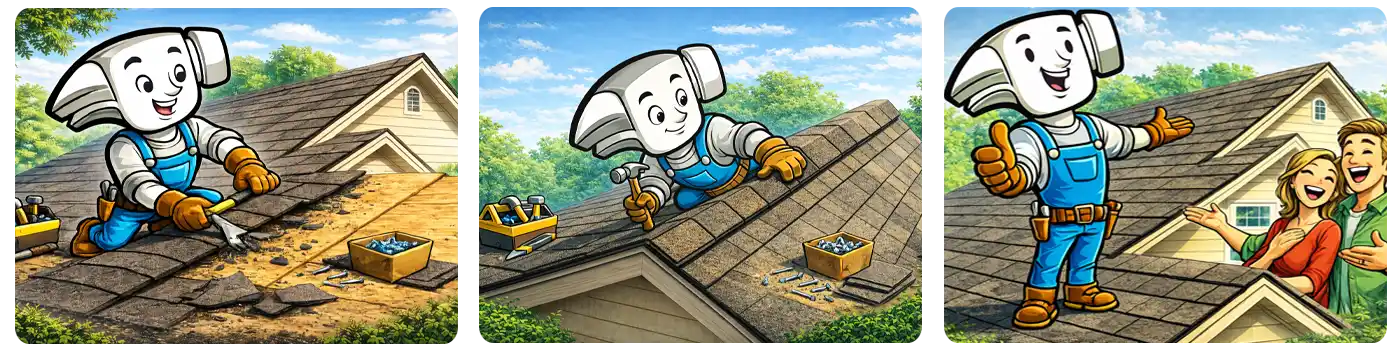
Did you know, SquadPro Roofing only uses Texas code approved materials to help protect your home? We follow Strict Standards for Quality, Safety, and Long-Lasting Performance.
Accessibility matters when a homeowner can reach a roofer, understand the plan, and stay safe during every step of the job.
A roof project has noise, debris, and timelines, so Accessibility means clear calls, clear texts, and simple onsite direction that keeps work steady.
After a storm, Accessibility includes fast inspection scheduling, photo updates you can read on a phone, and an easy path to repairs or replacement.
Before you choose a contractor, Accessibility helps you compare responses, documents, and timelines without stress, and you can review tips on our library.
You should feel comfortable asking basic questions. A good roofer answers with one clear subject, one clear action, and one clear result. This approach helps you decide faster and reduces back-and-forth during material ordering.
Ask for photos of the deck, flashing, and penetrations before underlayment goes down. Photos create a record you can keep with your home documents, and they also help if you sell the home later.
A roof issue can grow fast, so Accessibility means a team shares photos, explains damage, and confirms next steps the same day when weather allows.
Strong Accessibility uses plain terms like shingles, flashing, decking, ventilation, and drip edge so you know what changes and why it changes.
A predictable schedule starts with a realistic start date, a weather buffer, and clear delivery timing. The crew should tell you when materials arrive, when tear-off begins, and when cleanup happens so you can plan parking and home entry.
If you work nights or you care for a family member, ask for a quiet-hour plan. A team can shift certain tasks, stage tools earlier, and keep doorways clear so you can rest and still feel informed.
Our process supports Accessibility with shared checklists, tidy timelines, and an open door for questions, plus you can explore openings if you like hands-on work.
If you want a roofing team that treats Accessibility as a service standard, ask for a written plan that matches your household routine and your preferred contact method.
A written scope protects both sides. It should name the shingle line, the underlayment type, the flashing method, and the ventilation plan. It should also state how the team handles rotten decking and how it documents added work.
If you prefer Spanish or you need larger print, mention that early. A professional contractor can adapt paperwork, send voice notes, or review the scope on a call so nothing gets missed.
Houston-area heat and storms can stress shingles and ventilation, so Accessibility improves when the contractor explains attic airflow, leak paths, and the steps that protect your home during tear-off.
A safe roof job is a controlled workspace. The crew should mark drop zones, keep hoses and cords tight to the house edge, and use tarps in a way that does not block doors. A magnet sweep should happen more than once, especially near sidewalks.
If you have limited mobility, ask the crew to set one main entry path and keep it consistent. A simple habit like moving bundles away from steps can prevent trips and keep the work area calm.
Pricing depends on roof design, roof pitch, home stories, material choice, and repair scope, and Accessibility is strongest when every item is explained in writing before work starts.
Insurance paperwork can feel heavy, but it should not feel confusing. A contractor can explain what the adjuster does, what the homeowner signs, and what documents to keep. You stay in control when you understand each form.
Ask for a simple claim checklist that lists photos, dates, and the order of calls. The checklist helps you move step by step and reduces the chance you miss a deadline.
A smart hire combines licensing, insurance, and Accessibility, and you can read local feedback on Yelp.
You can ask for proof of insurance, proof of local presence, and proof of warranty terms. A reliable roofer shares documents without drama. If a company avoids simple proof, treat that as a risk signal.
Look for clear limits. For example, a scope should say what the crew will replace, what it will repair, and what it will leave as-is. Clear limits reduce conflict and protect the finish quality.
If you need financing, Accessibility can include simple forms and clear terms through the credit application.
For payments, ask about deposit timing, material ordering, and final payment triggers. The right answer is tied to the work stages, not to pressure. A clean invoice should match the scope and show any approved changes.
If you need flexibility, mention it early. Many homeowners use a plan that aligns with insurance timing, lender steps, or household budgeting. The best plan is the one that fits your situation.
Homeowners want Accessibility that respects work shifts, school pickups, and weekend plans, and our crew builds schedules around real life with steady updates.
A roofing crew should respect the neighborhood. That means a polite introduction, clean trucks, and a plan for debris. It also means a plan for gates, security codes, and package deliveries so your household keeps moving.
This is where SquadPro Roofing stands out. The team sets expectations, confirms contact details, and treats every property like a place where people live and move all day.
When a storm claim is involved, Accessibility also means the team documents damage clearly, labels photos by slope, and supports you during adjuster visits.
A roof affects comfort. Good ventilation reduces attic heat, and good underlayment helps manage moisture. Ask how the contractor confirms intake and exhaust balance, and ask how it checks for blocked soffits.
If you want a quieter home, ask about shingle weight, decking condition, and flashing seals. A tight roof system reduces rattles and helps the home feel more stable during wind.
If you compare local providers, Accessibility helps you spot who answers, who explains, and who follows through, and you can learn more at this guide.
A good contractor also helps you prepare the home. You may move patio items, cover attic storage, and protect pictures on walls. The crew should share a short prep list so you know what matters and what does not.
Ask for a clean-up standard. The standard should include tarp placement, daily sweep rules, nail magnet passes, and a final walk that checks flower beds and driveway cracks.
You can follow jobsite photos and tips on Facebook, where Accessibility meets quick community updates.
Online updates help, but a real conversation helps more. During the estimate, notice if the rep listens first, repeats your concern, and then offers one solution at a time. Listening is the fastest way to reduce confusion.
If you have a tight timeframe, ask the contractor how it handles material shortages. A strong team can offer equivalent options, explain warranty impacts, and keep the schedule realistic.
A strong culture supports Accessibility because trained staff listen well, speak clearly, and respect every property and every homeowner concern.
Training should cover safety, ladder setup, and communication. It should also cover how to explain a scope without jargon. When a crew shares one clear plan, the homeowner stays calm and the job stays on track.
If you want to work in roofing, strong people skills matter. You can learn to read a roof, document storm damage, and explain options in a way that helps a homeowner choose the right fix.
If you like meeting people, Accessibility is a key skill in door-to-door work, because you explain value at the door in plain words.
Homeowners judge Accessibility by how a team responds online and in person, and you can see updates on photos.
Social posts should match the real process. Look for consistent safety gear, tidy staging, and clear explanations of what the crew is doing. When you see order in small details, you usually get order in the finished roof.
If you message a company online, track response time and tone. A helpful reply should answer the question, suggest the next step, and avoid blame. That tone usually carries into the jobsite.
If you want to confirm hiring standards, Accessibility can start with a quick look at Indeed reviews and posts.
Save this list before the first visit. Write your address, roof age, and any leak locations. Take wide photos of each slope and close photos of any missing shingle or lifted flashing. Note where water shows up inside, and mark the time and the weather. Clear the driveway so a truck can park without blocking mailboxes. Move fragile patio items, and keep kids and pets inside during tear-off.
During the inspection, ask for three things. Ask for a photo set, ask for a short written scope, and ask for a start window with a weather buffer. If the contractor proposes upgrades, ask what problem the upgrade solves and how the crew will verify the result. After the job, ask for a final walk with the supervisor, and keep the warranty papers with your closing documents.
Read both scopes line by line. Check that both quotes include tear-off depth, underlayment type, flashing method, ridge cap style, and ventilation plan. Confirm that both include cleanup steps, dump fees, and magnet sweeps. If one quote is shorter, ask what it leaves out. If one quote includes repairs, ask how the crew documents rotten decking. Choose the contractor that explains choices, uses a clear timeline, and puts every promise in writing.
If you feel rushed, slow the process. Ask for a second call and invite a family member. A good contractor welcomes extra questions. Keep notes on who you spoke with and what they said. Clear notes help you avoid misunderstandings and help the crew deliver the exact roof system you approved. When you stay organized, you protect your budget and your home value.
Accessibility keeps roofing simple because it improves safety, speeds decisions, and builds trust from the first call to the final cleanup.