
LIMITED TIME!
0% Financing
We’re HIRING! Come join the SquadPro team.
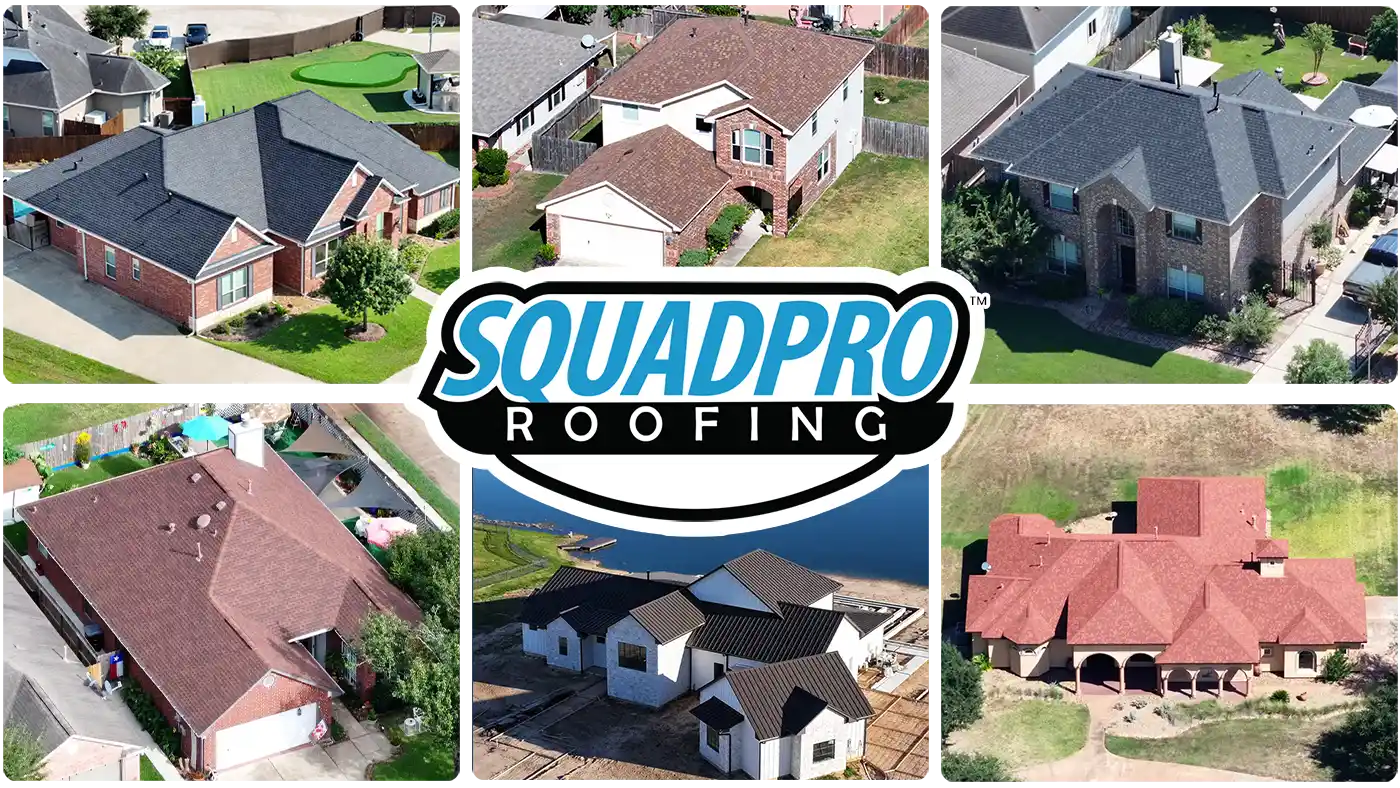
Explore our Projects page to see real Roofing Projects completed by SquadPro Roofing across Texas. Our Residential Roof Replacement Projects highlight material options, workmanship details, before-and-after results, and homeowner outcomes. Each project shows scope, timeline, and quality checks, so you can compare styles and make confident decisions for your home. View completed jobs and discover why families trust SquadPro Roofing for lasting roof protection today.



Did you know, SquadPro Roofing only uses Texas code approved materials to help protect your home? We follow Strict Standards for Quality, Safety, and Long-Lasting Performance.
Roofing Projects should feel clear from the first inspection to the final cleanup. This page explains what to expect during Roofing Projects, how we plan timelines, and how we keep communication simple. If you are preparing for a repair or a full replacement, this guide helps you understand the steps before work begins.
Roofing Projects work best when the scope is written and the approvals are clear. We document what we see, explain the options, and confirm what is included before materials arrive. If anything changes after tear-off, we explain the reason and request approval before added work continues.
For many homeowners, Roofing Projects feel stressful because the roof is out of sight. We reduce that stress with simple updates, clear photos when possible, and direct next steps. If you like quick reminders and short tips between visits, you can follow updates for seasonal notes and storm prep ideas.
If you want to learn before you schedule, our blog covers common roof problems, maintenance habits, and storm checklists. Roofing Projects move faster when you understand basic terms like flashing, ventilation, and underlayment, because your questions become more specific.
Most Roofing Projects follow a simple sequence: inspection, written scope, scheduling, installation, cleanup, and final walk-through. Each step has a purpose. The inspection identifies issues. The scope defines the solution. Scheduling aligns crews, weather, and materials. Installation restores the roof system. Cleanup protects your property. The final walk-through confirms the work matches the scope.
A roof can look fine from the street and still have weak points around vents, valleys, and wall transitions. Roofing Projects need clear documentation because the most important details are often hidden. If hidden deck damage or old repairs appear during tear-off, we document the condition and present a change order before moving forward.
Roofing Projects are outdoor construction, so weather affects safety and cure times. We schedule based on forecast risk, crew availability, and delivery timing. You help the schedule by keeping access clear and responding to approvals quickly. If you need special arrival coordination, share it before the start date.
If a weather delay happens, we communicate the reason and the next possible start window. Roofing Projects should never be rushed when conditions are unsafe.
Roofing Projects vary because every roof is different. If you ask about cost, it depends on the roof design, roof pitch, number of stories, material type, ventilation needs, and the condition of decking and flashing. A written scope protects you because it explains what is included and what triggers a change order.
Roofing Projects move smoother when you approve changes fast and keep decisions in writing.
Roofing Projects are only as strong as the full system, not one part. The system includes the surface material, underlayment, flashing, ventilation, and edge details. We aim for clean lines, correct fastening, and proper sealing where required. We also plan for cleanup with debris removal and magnet sweeps.
If you notice a concern after completion, report it quickly so we can diagnose it while conditions are fresh.
For Roofing, location matters because weather patterns and local expectations influence material choices and scheduling. You can review coverage details on our Houston service page and use that information to plan inspection timing and next steps.
Roofing Projects are easier when the schedule and the scope match your area’s real conditions.
Roofing depend on skilled labor and clear jobsite habits. If you want to explore roles or see how we build crews, visit our careers page. Strong communication reduces errors and keeps the homeowner informed.
Roofing Projects feel less stressful when the crew communicates clearly and the plan stays consistent.
Homeowners often want proof that Roofing are handled with care. You can review public feedback on Yelp and look for comments about communication, cleanup, and follow-through.
If you prefer quick visuals, you can view project snapshots and roof tips on Instagram. Roofing are easier to understand when you can see examples of materials, flashing details, and finished edges.
If you want to research public company details on a third-party platform, you can review Indeed for general information and workplace notes.
Roofing Projects go best when the scope is written, the schedule is realistic, and the updates are simple. Prepare the site, respond to approvals, and ask questions early. If hidden damage appears, approve changes in writing before work continues. When you keep decisions clear and timely, Roofing stay on track and the final result is easier to trust.